


The intriguing journey of gambling From ancient rituals to modern gaming
The Origins of Gambling: A Historical Perspective
The journey of gambling can be traced back to ancient civilizations, where it often intertwined with rituals and religious practices. Archaeological findings indicate that the earliest known forms of gambling date back to approximately 3000 BC in Mesopotamia, where people used dice made from animal bones. These primitive games served not only as entertainment but also as a means of divination, allowing individuals to engage with the divine. As players look for contemporary options, exploring a payid casino can offer seamless payment experiences.
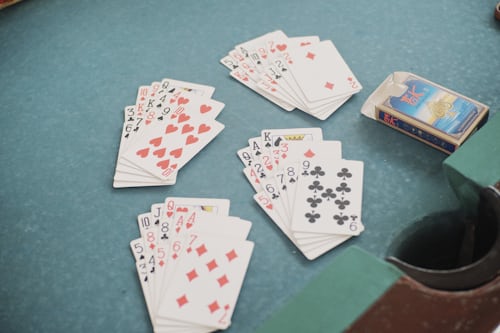
As society evolved, so did the methods and motivations for gambling. Ancient Chinese cultures developed games of chance involving tiles and betting systems, reflecting a growing sophistication in gambling practices. The integration of games into social events highlighted gambling’s role in community bonding and cultural traditions.
The Rise of Gambling in Ancient Civilizations
Throughout history, gambling became an integral part of various cultures. The Romans, for example, popularized betting during their grand gladiatorial games, making it a mainstream entertainment form. In ancient Greece, gambling was not only accepted but also revered, with games like knucklebones becoming a staple in both leisure and competitive settings. This acceptance set the foundation for gambling as a legitimate pastime across societies.
In addition to entertainment, gambling often played a role in politics and warfare. Leaders used games of chance to make decisions, sometimes betting their kingdoms or armies. This blurred the lines between gambling and governance, further embedding gambling in the social fabric of ancient civilizations.
The Evolution of Gaming in the Middle Ages
As the world transitioned into the Middle Ages, gambling experienced both repression and innovation. The Catholic Church attempted to curb gambling’s influence, associating it with vice and immorality. Nevertheless, underground gambling continued to flourish, leading to the development of new games and betting methods, including card games, which gained popularity in Europe.
During this period, lotteries emerged as a way to fund public projects, marking a significant shift in the gambling landscape. This not only provided entertainment but also contributed to the community’s welfare, illustrating gambling’s dual role as both a social activity and a means of generating revenue for society.
The Birth of Modern Gambling: Casinos and Regulations
The 18th and 19th centuries saw the birth of modern gambling establishments, with the first casinos appearing in Europe. These venues offered a wide array of games, from roulette to poker, attracting a diverse clientele. This shift marked the transition from informal gatherings to structured environments dedicated to gambling, emphasizing the need for regulation and oversight.
With increased popularity came the necessity for legal frameworks. Governments began to recognize the potential for tax revenue from gambling, leading to the establishment of regulated casinos. This not only legitimized gambling but also introduced responsible gaming practices, fostering a safer environment for players.
Modern Gaming and Online Gambling Platforms
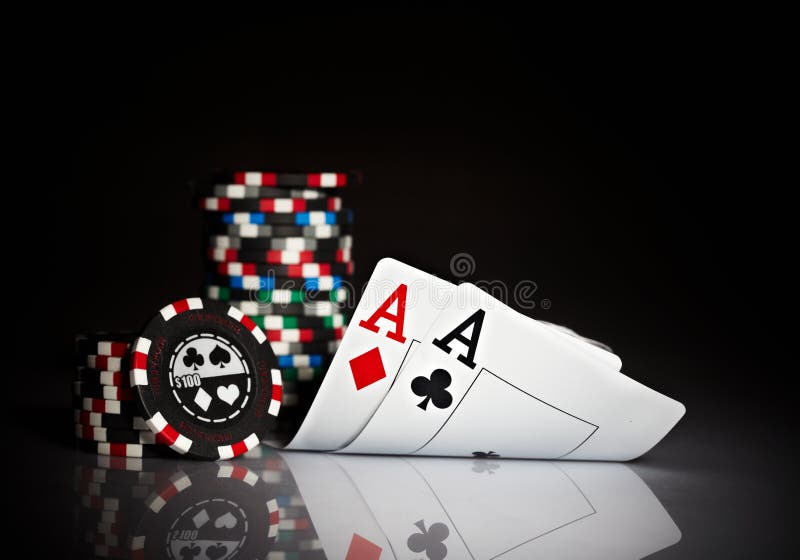
The advent of the internet revolutionized the gambling landscape, allowing players to access games from the comfort of their homes. Online casinos emerged in the late 1990s, offering convenience and a wider variety of games than traditional venues. This transformation opened up new opportunities for players worldwide, leading to an explosive growth in the online gambling industry.
Today, numerous online platforms cater to a variety of gaming preferences, from high-stakes poker to casual slot machines. These sites often feature advanced technology, enhancing user experience with live dealer games and mobile accessibility. As the industry continues to evolve, players can expect innovations that further blur the lines between traditional and digital gaming.