


China is vast and home to many ethnic groups, and its food culture has a long history. Different regions nurture different tastes, producing a rich variety of culinary forms. To help you discover, understand, and taste China’s delicious food more systematically, we’ve divided the site into four sections: Traditional Cuisines (classic stir-fry and regional schools), Local Specialty Snacks, Internet-famous/Trendy Foods, and Fusion/Localized Innovations.
- Traditional Cuisines (Classic Dishes)
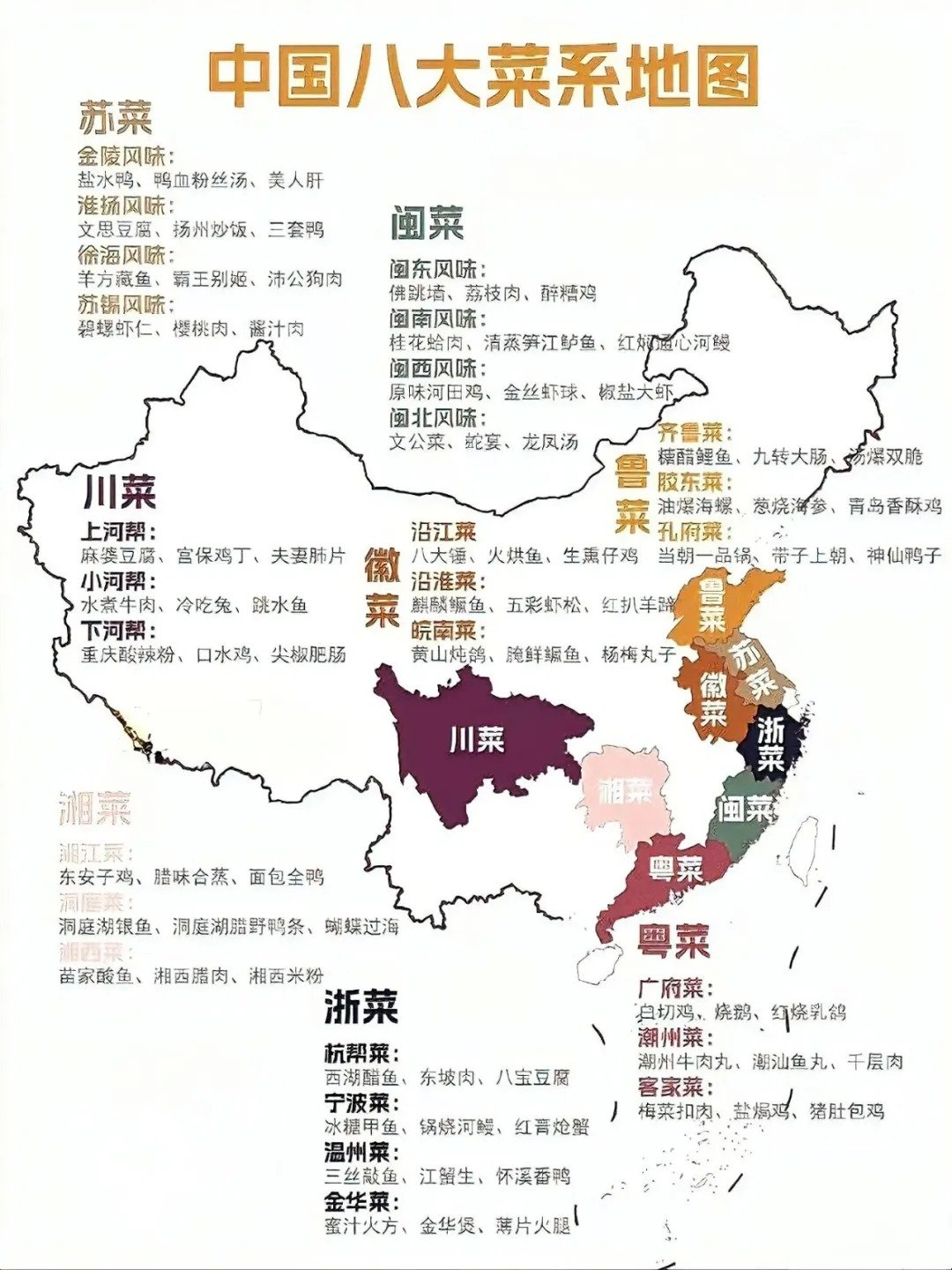
The cuisines discussed here can be considered dishes that are usually eaten with white rice. Without rice, the flavors may be too strong, but that doesn’t mean you can’t eat them on their own.
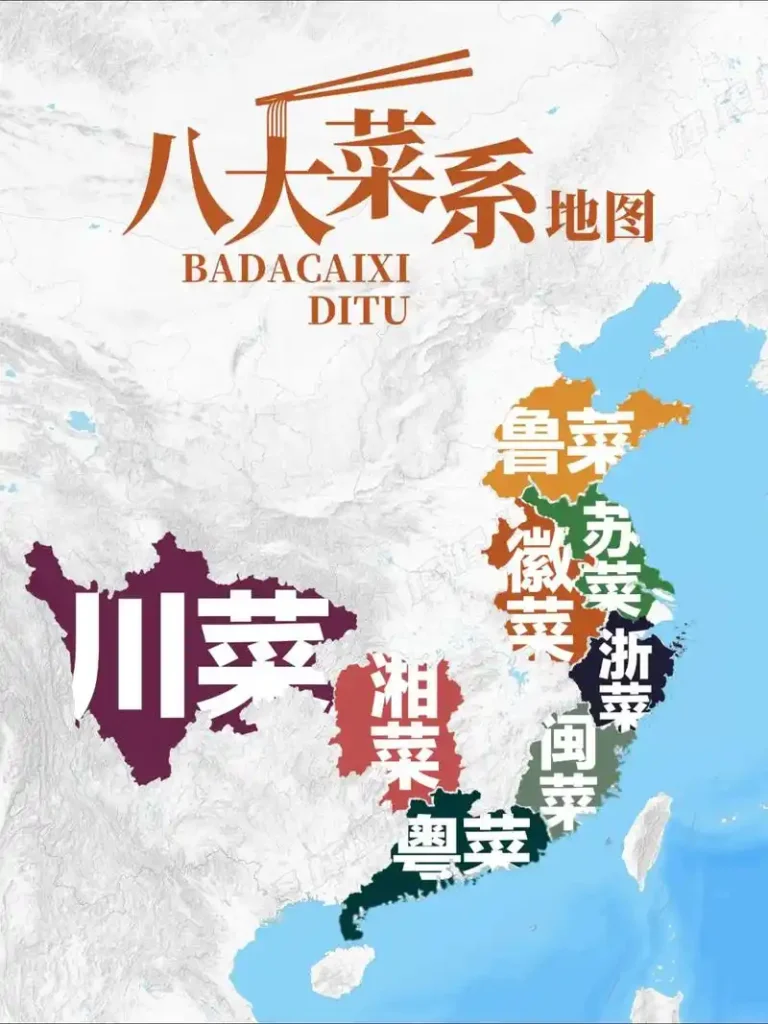
Traditional Chinese cuisines form the core of the food system. This includes, but isn’t limited to, the historically renowned Eight Major Cuisines (Sichuan, Cantonese, Shandong, Jiangsu, Zhejiang, Fujian, Hunan, Anhui), as well as local home-style and banquet dishes.
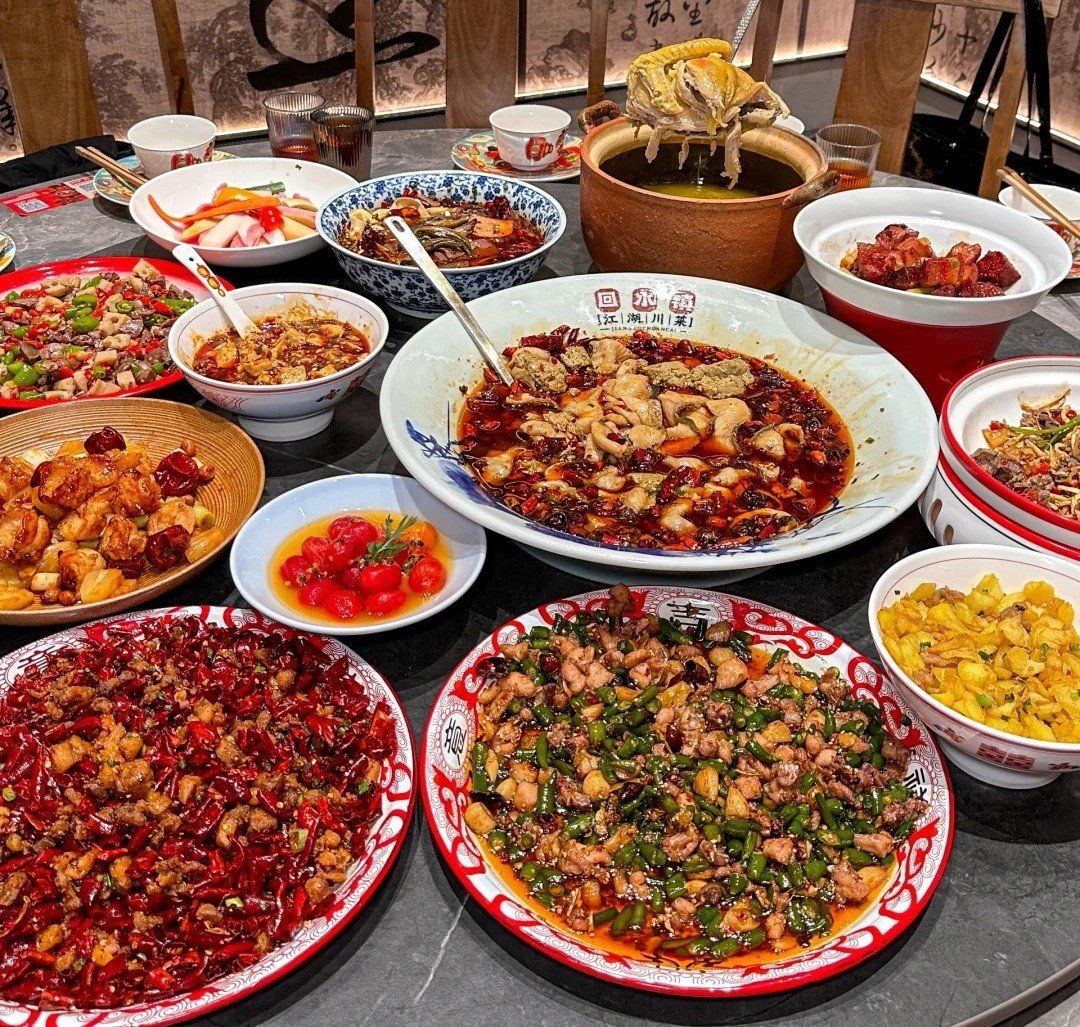
Take Sichuan cuisine as an example. This spicy cuisine from Sichuan carries unforgettable culinary stories. Legend has it that during the Qing Dynasty, the use of spice in Sichuan began as a way to help farmers ward off the cold. In the damp, chilly basin climate, spicy seasonings not only stimulate the appetite but also help dispel humidity. Gradually, the numbing-spicy flavor became the soul of Sichuan cooking. From Kung Pao Chicken to Boiled Fish in Chili Oil, each dish carries unique culinary wisdom:
– Representative dishes: Kung Pao Chicken, Dongpo Pork, Buddha Jumps Over the Wall
– Classic techniques: steaming, braising, pan-frying, deep-frying, stir-frying, etc.
– Ingredients and regional differences: fresher in the south, saltier in the north; sweeter in the east, spicier in the west
Through these cuisines, you can feel the diversity and regional character of Chinese cooking.
- Local Specialities
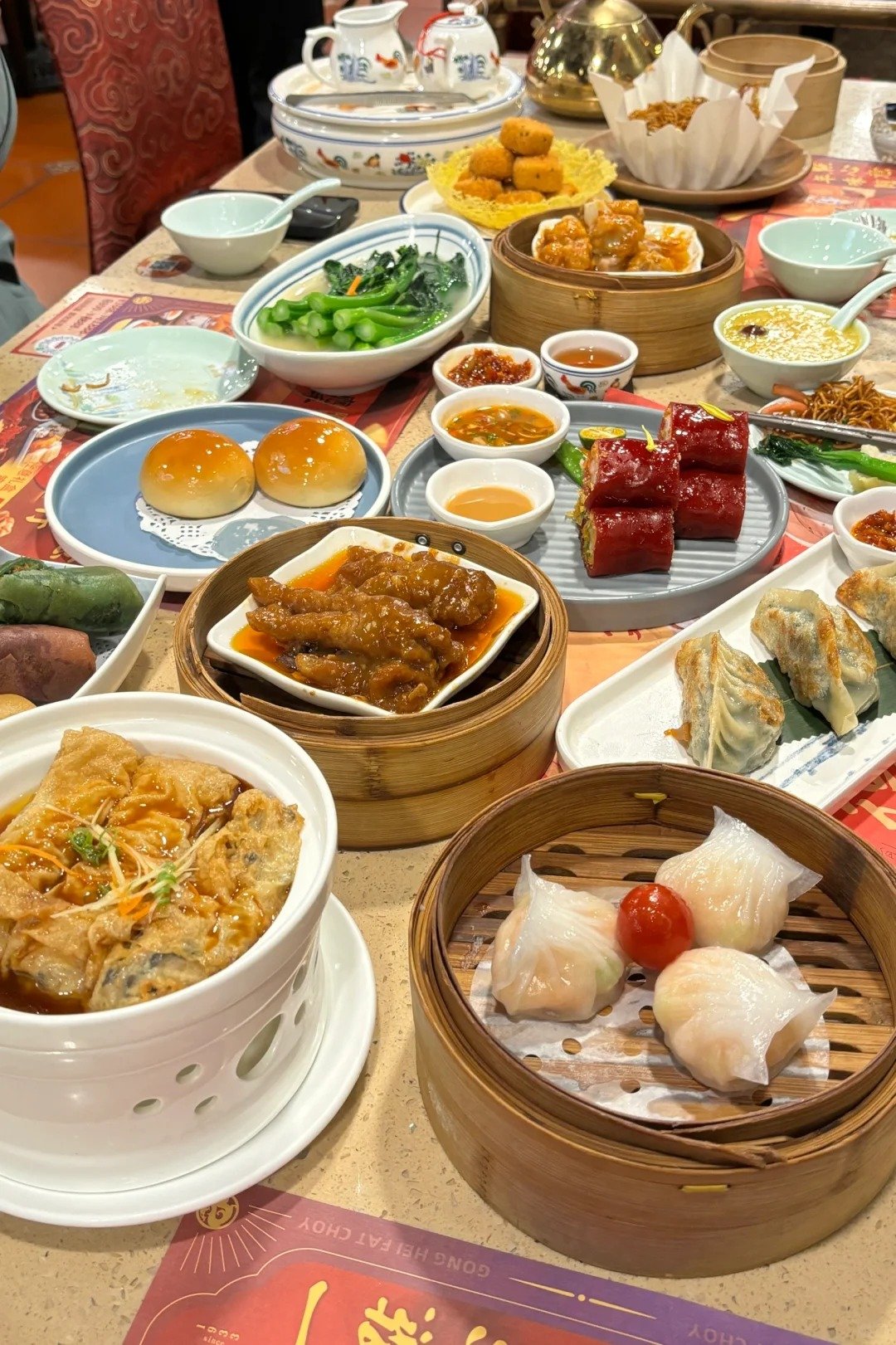
The “local specialities” here refer to traditional foods other than rice-based main dishes. Street and alley snacks are the most direct and down-to-earth way to get to know a city or region. They’re not just food but vivid cultural memories.
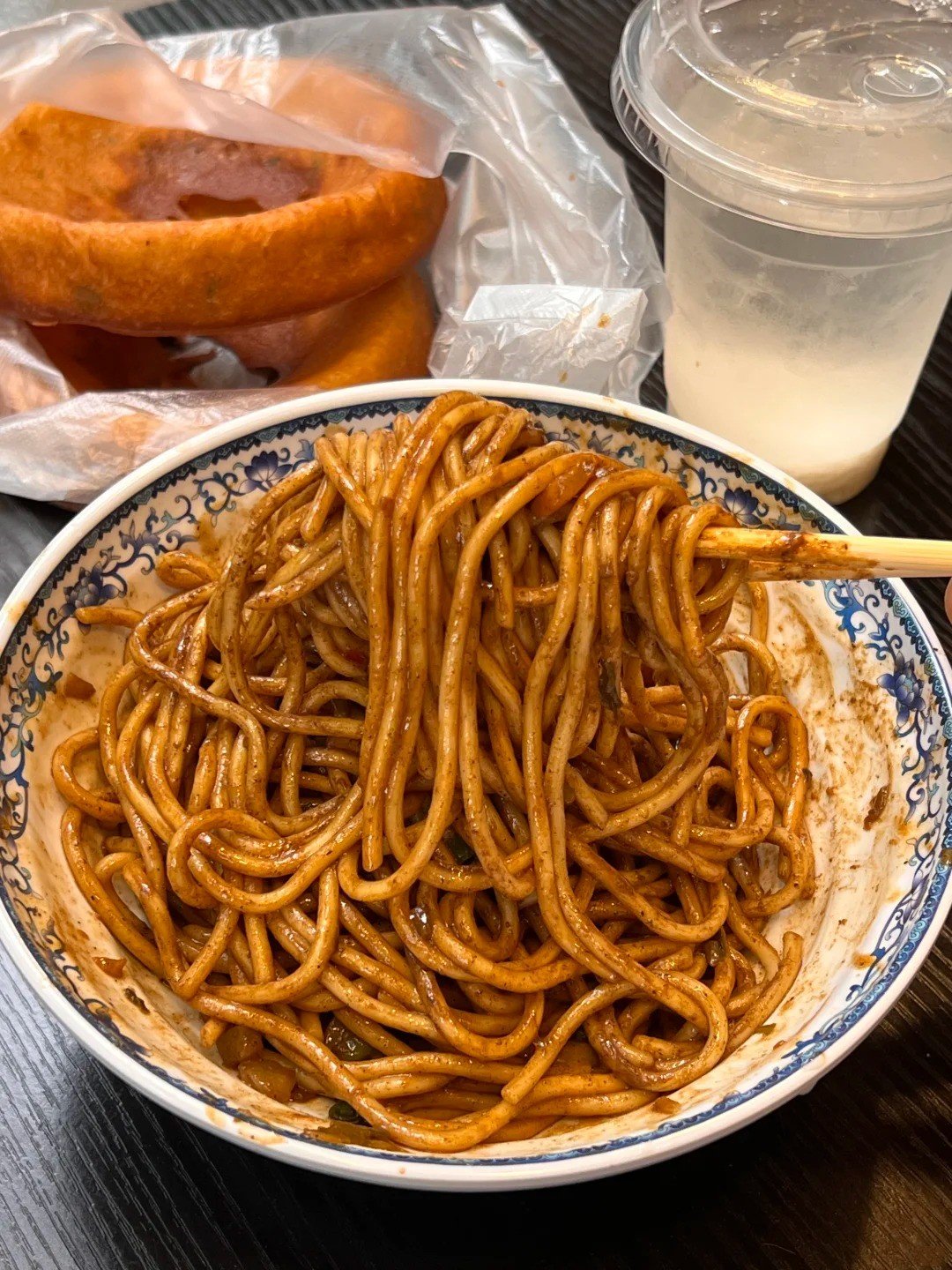
Wuhan’s hot dry noodles are a good example. This noodle dish originated in the 1950s, created to solve the breakfast problem. Street vendors combined noodles with sesame paste and spicy sauce to create a unique flavor. Today, hot dry noodles are a city signature of Wuhan, conveying its everyday life and atmosphere.
We organize a variety of snacks by region and type:
– Local signatures: Shaanxi roujiamo, Shanxi knife-cut noodles, Fujian Shaxian snacks, Wuhan hot dry noodles
– Production methods: handmade noodles, fermented items, fried foods, etc.
– Snack map: recommended night markets, old streets, morning markets routes
- Popular Snacks (Trendy Foods)
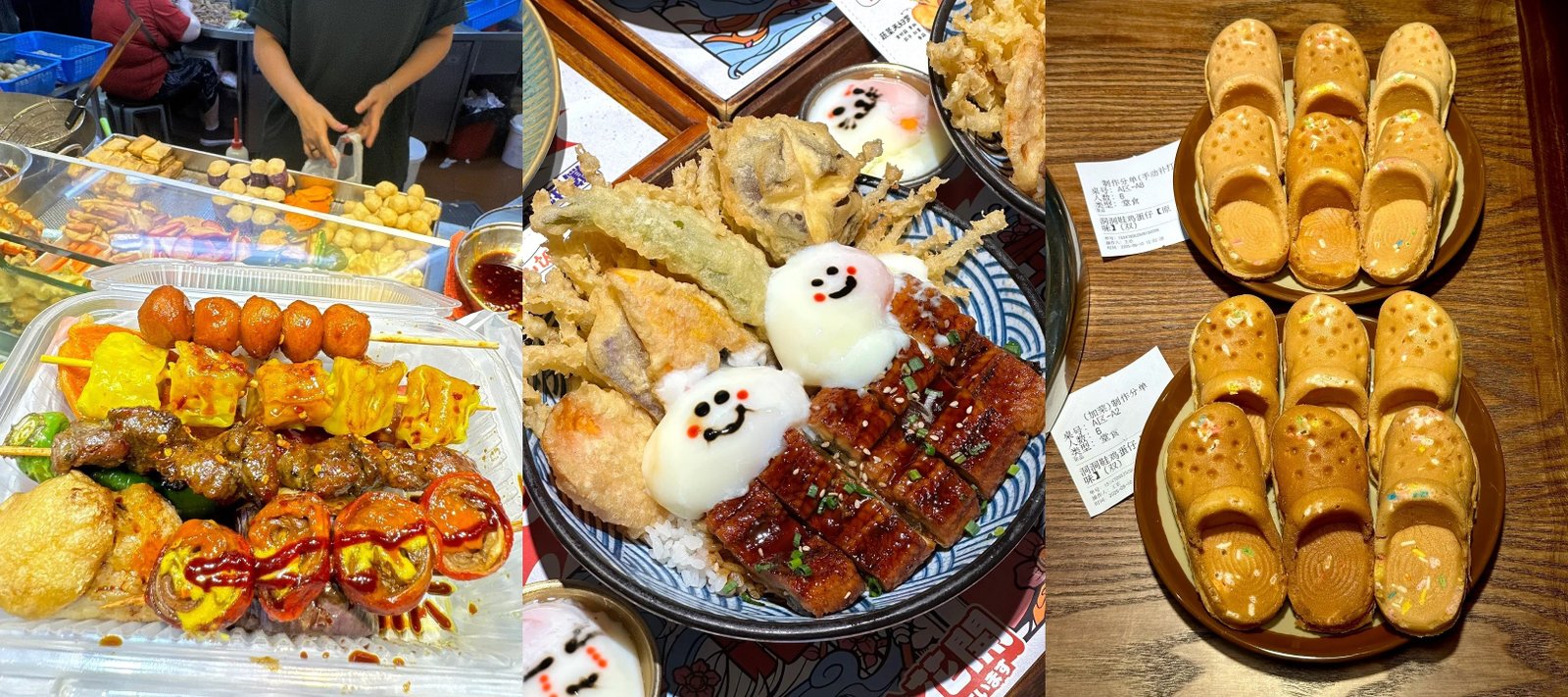
Trendy food now embodies the exploration and innovation of new elements and models in Chinese street food. Of course, in the social media era, food is not just taste but a lifestyle and a social symbol. Recently, many innovative foods have quickly gone viral and become new hotspots for young people to check in at.
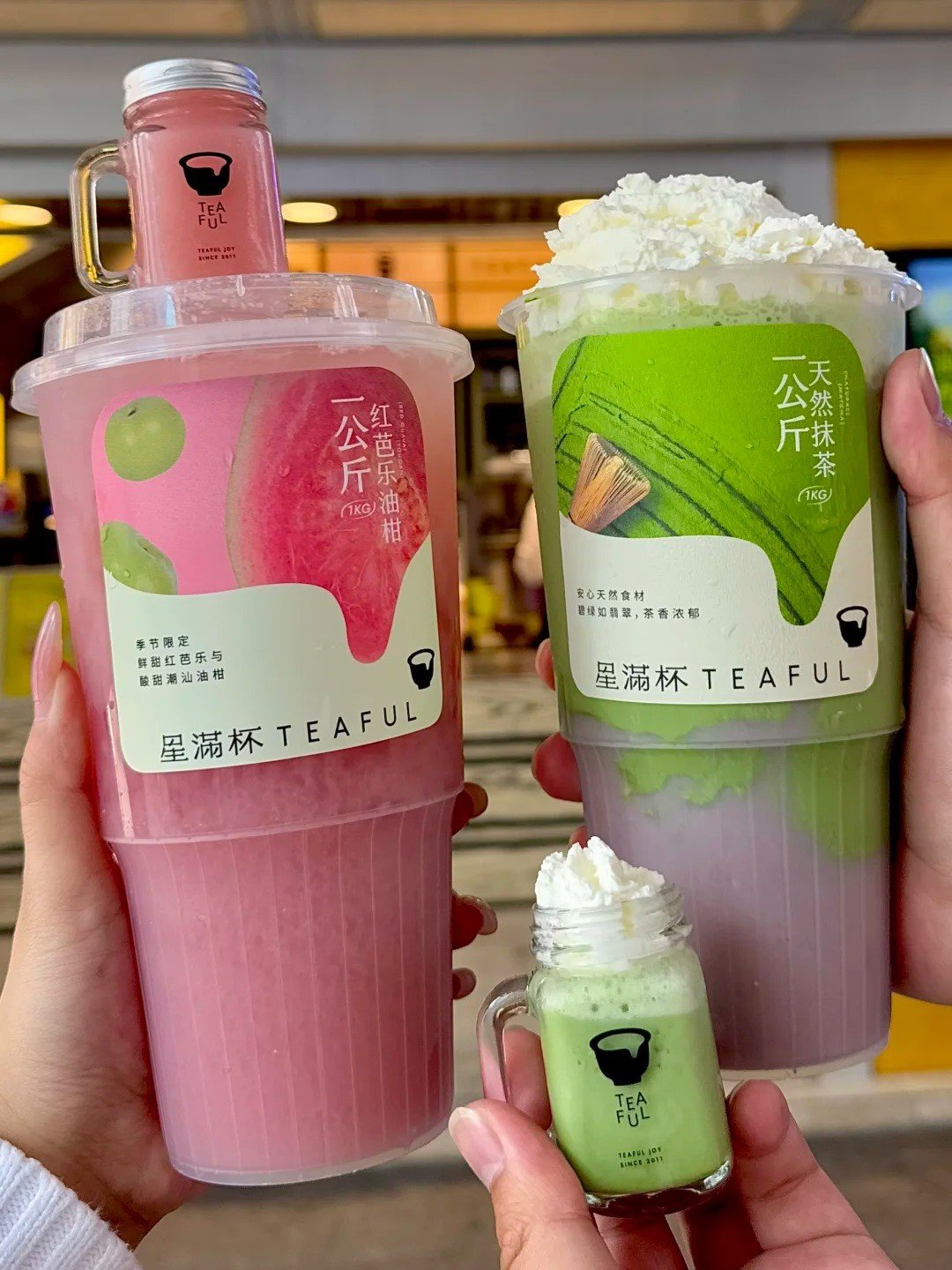
Cheese-topped tea (milk cap tea) is a typical example. From a simple tea drink it evolved into a viral hit, reflecting young people’s pursuit of innovation and ritual. It’s not just a drink but a pop-culture symbol on social platforms.
This section focuses on:
– Social platform trends: milk cap tea, lava-filled desserts, creative skewers
– Origins and innovations of viral foods
– Local restaurants’ innovation strategies
- Fusion Dishes
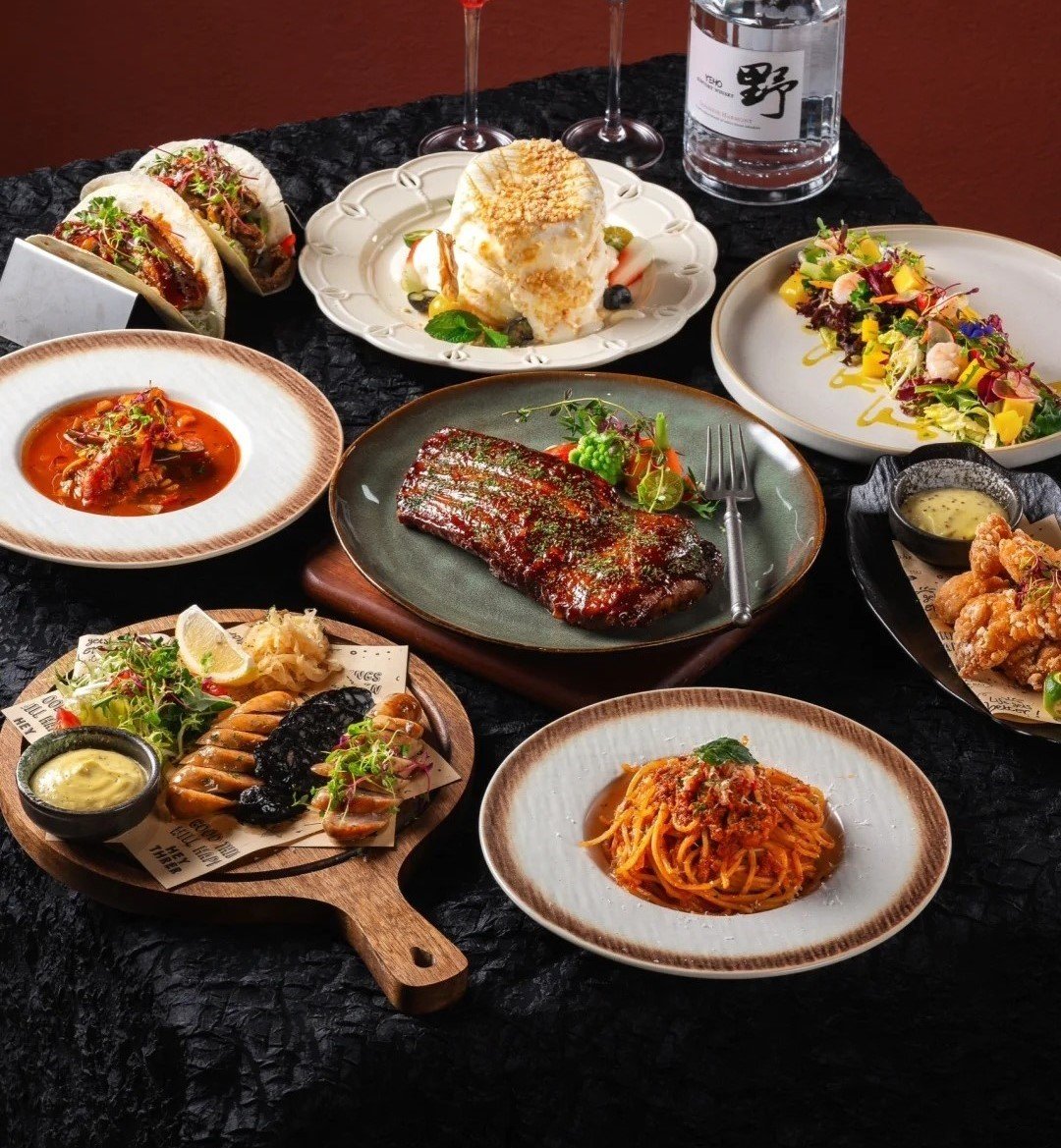
When globalization meets Chinese food, innovation naturally follows. In this section you’ll see exciting collisions between tradition and modernity, and between Chinese and Western cuisines.
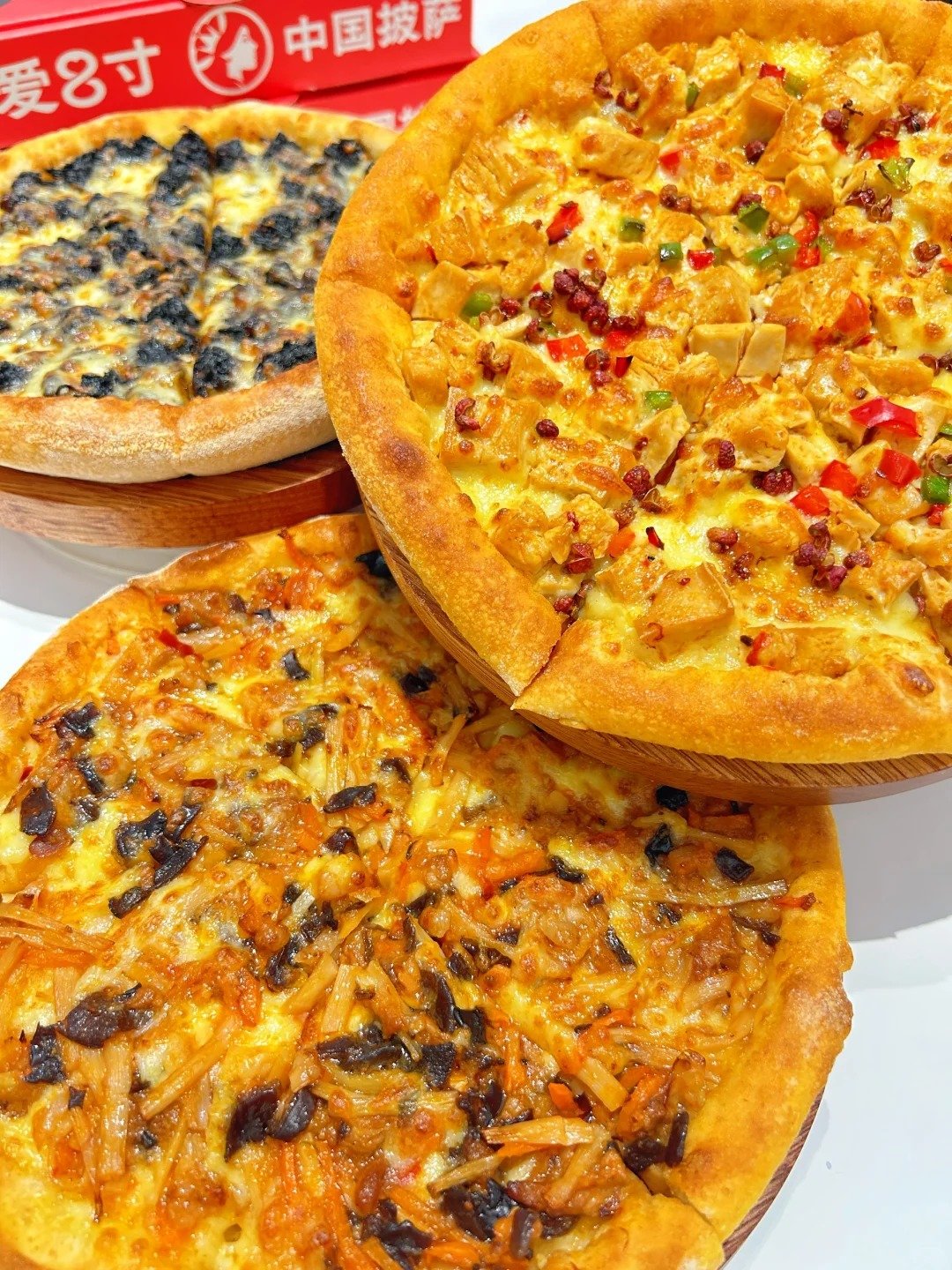
Take Chinese-style pizza as an example. It’s not a simple copy of Western pizza but incorporates Chinese seasonings and ingredients. Varieties like mala chicken pizza or hot-and-sour beef pizza are chefs’ clever interpretations of cross-cultural dishes.
We focus on:
– Representative fusion dishes: Chinese-style pizza, modified Japanese cuisine, fusion bistro dishes
– Chef innovation cases: local ingredients combined with foreign techniques
– Recommended innovative restaurants in cities
Chinese cuisine today blends elements from past and present, from home and abroad. Many dishes don’t belong to a single fixed category and can span multiple types. The categories we propose are only a reference to help you better understand and experience the charm of Chinese food.
Whether traditional or innovative, Chinese cuisine is always evolving, merging, and creating. We hope this site lets you feel the endless possibilities of Chinese food!