




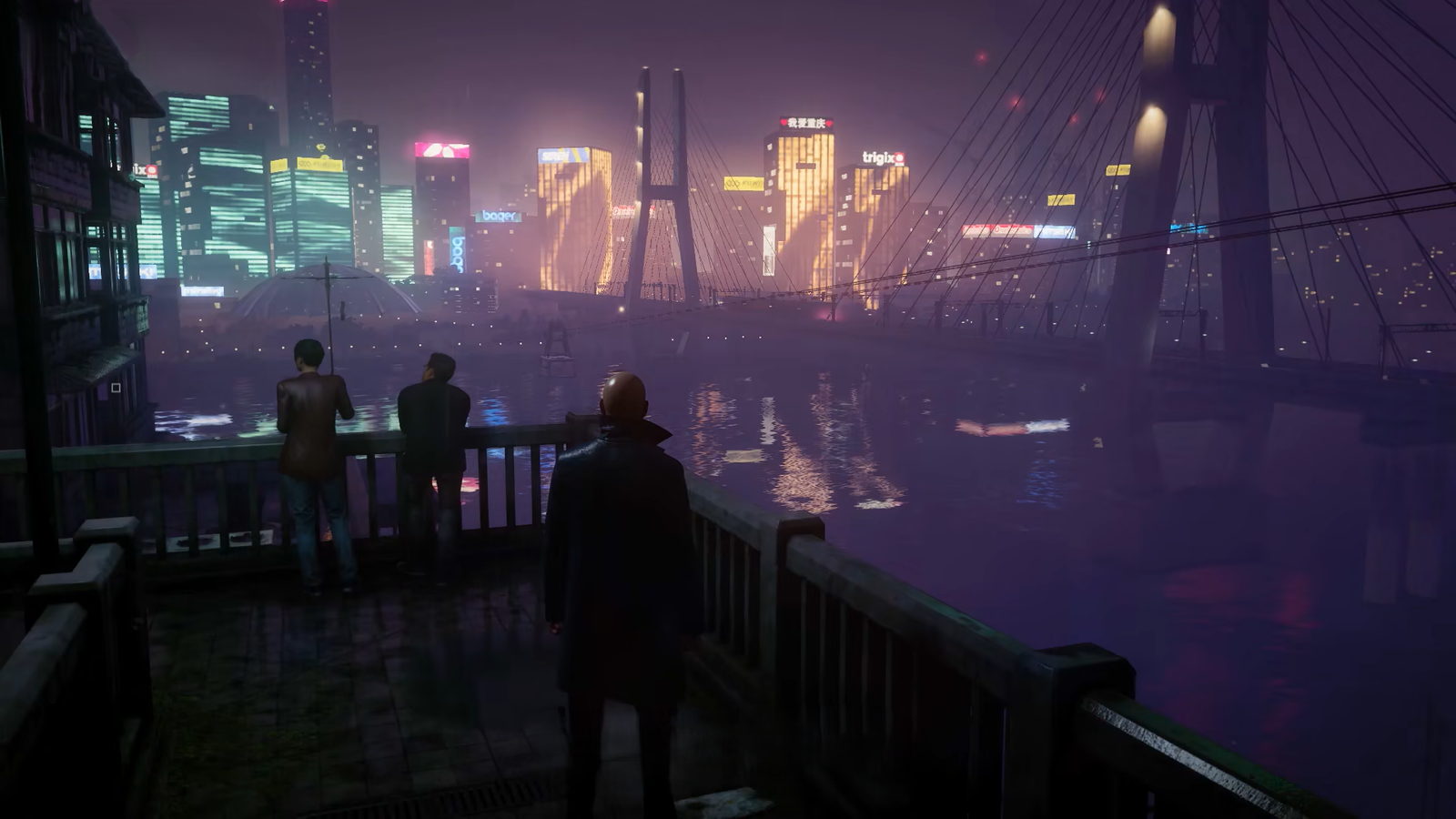
“Hitman 3” uses visual symbols like the Yangtze River cable car, a monorail that cuts through buildings, tiered hillside residences and narrow alleys to sketch a “Chongqing” that feels familiar yet cinematic. As a visitor, I treat this game as an emotional travel postcard: it lights a curiosity about the mountain city, but it’s not a literal, follow-this-map guide. Frankly, I just want to talk with you about how close the game’s Chongqing is to the real one, which spots are worth photographing, and which you have to experience in person.

Visually the game does a great job, and if you like landscape photography or urban exploration, it won’t disappoint. The Yangtze cable car is used as a strong landmark; the monorail cutting through buildings, the height differences among clusters of buildings, stone steps and entwined alleys are all amplified into dramatic visual motifs. In fact, Liziba monorail station near Chongqing’s Jiefangbei is the real-life prototype for the monorail-through-building scene in the game. For people who’ve never been to Chongqing, these elements easily spark the “I want to see this” urge. If you screenshot the game and compare it with reality, you’ll see real similarities: take a ride on the Yangtze cable car to see the riverside buildings and the river from above, or hop on the monorail and feel the instant when the train slips between buildings—those moments can immediately bring the game’s sense of “passing through” into real life.


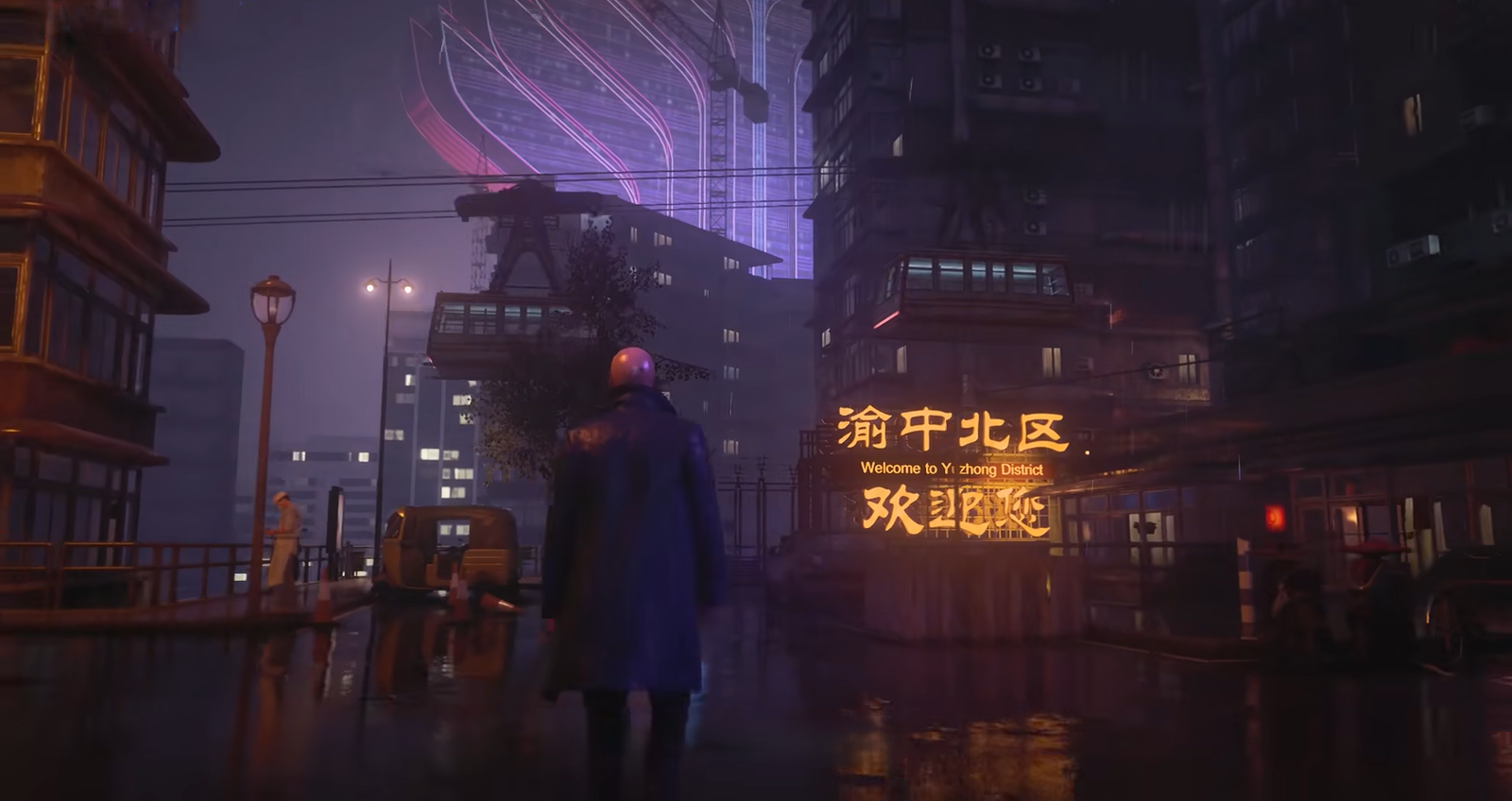
But treating the game as a complete field guide will leave you disappointed. Many of those scenes don’t actually exist as-is. The game compresses and rearranges urban space for narrative, gameplay and atmosphere, and renders everything with neon and cinematic lighting to create a strong visual experience; real Chongqing is more about everyday life—the smoke and smells at alley entrances, the calls from breakfast stalls, the small domestic details on apartment steps. Take Ciqikou Ancient Town as an example: its nine streets and eighteen alleys are even richer and more colorful than what the game shows. In those narrow lanes you’ll feel old Chongqing’s everyday life: from cured meat shops to craft workshops, every corner is a tiny world worth photographing. That “smoke-and-flame” life heat is the warmth outside the game screen and one of the most valuable parts of travel. Your camera may learn composition from the game, but to shoot lively Chongqing photos you need to walk into night markets and sit in a hotpot place to feel the steam and the spice.

The game also makes playful creative choices. For example, it mixes architectural elements from Hong Kong, Macau or other cities, or artistically alters station names and neighborhood labels. That’s not “wrongly claiming” a place is real Chongqing; it’s more like folding different urban memories onto one canvas to form a visual language that better serves the level design.
For instance, pandas aren’t actually a major cultural symbol Chongqing promotes—that belongs more to Chengdu. Many visitors confuse that, just like in the game.

For trip planning, I personally recommend several must-see spots: Jiefangbei, Liziba monorail station, Hongyadong, Ciqikou Ancient Town, Jiaochangkou, and the One Tree Viewing Platform on Nanshan. During the day, wander the old city, the stairways and residential areas to feel the city’s vertical structure; at dusk take the Yangtze cable car for night views and layered city lights. At night, go into lively streets like Jiaochangkou to eat hotpot and xiaomian (spicy small noodles) and experience everyday Chongqing life. This rhythm lets you satisfy the urge to “photograph the game scenes” while also truly feeling Chongqing’s warmth as a lived place.
Or you can refer to this article: 10 Must‑Visit spots of Chongqing — Best Foods and Tourist Highlights

It’s worth mentioning that the game’s “adventurous mindset” can easily tempt you to bring virtual behaviors into real life—like cutting through residential areas at night or attempting stealthy photos. A friendly reminder as a tourist: respect residents’ lives and privacy. Travel fun comes from discovery and interaction, not treating reality like a level to conquer. I recommend joining local guided tours or photography groups at public spots like Jiefangbei and Hongyadong; they can help you find the best views and avoid stepping on locals’ “life landmines.”
Or you can refer to this article: Top Chongqing Photo Spots for High-Quality Shots (Chinese and English Keywords with Map Locations)

Overall, the game’s Chongqing is a carefully designed emotional postcard: it sharpens the city’s most memorable visual symbols and is great as travel inspiration; but the truly warm, story-filled city experience still needs feet on the ground, tastebuds, and conversations with people to fill it out. Bring Hitman 3’s visual memories into your real trip—you’ll get the satisfaction of photo check-ins and, in the alleys’ everyday smoke-and-flame, the real sensations and memories of travel.