




Chongqing, a mountain city situated at the confluence of the Yangtze and Jialing Rivers, is often called a cinematic city thanks to its unique topography, undulating streets, and vibrant night scenes. For first-time foreign visitors, it offers both iconic spots for postcard-perfect night views and sloping alleys and ancient towns preserving the local way of life. This article focuses on tourism and photography, listing 10 must-visit attractions in Chongqing for tourists.
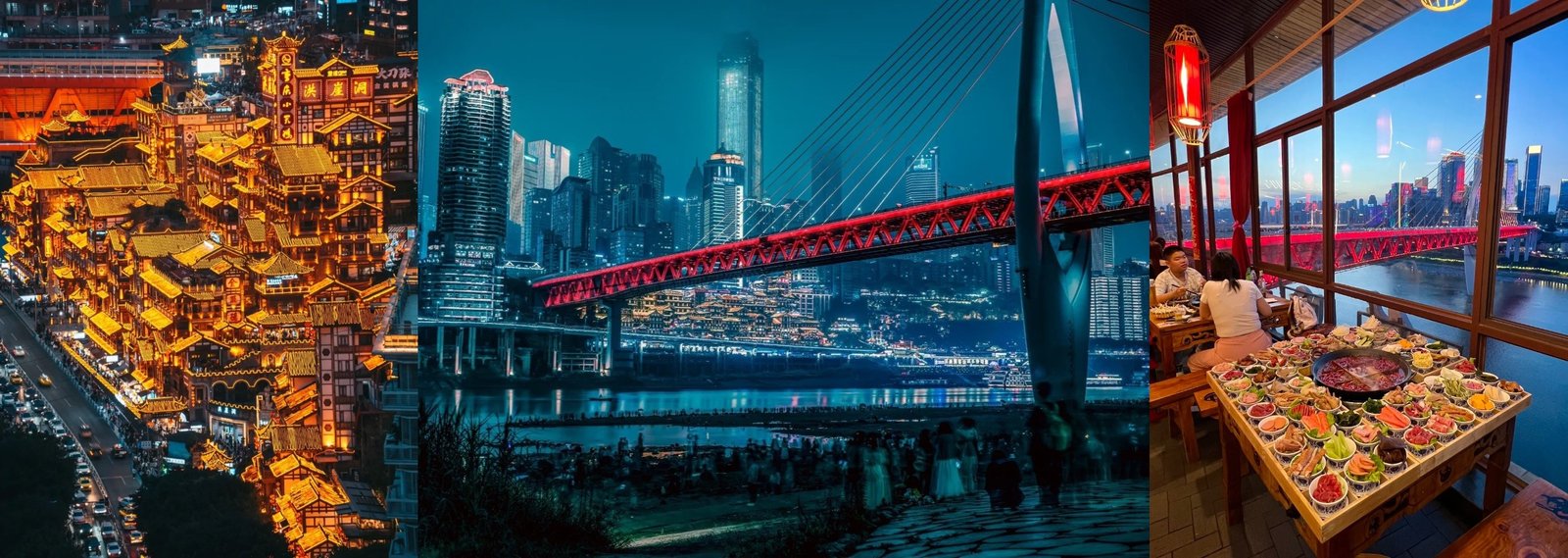
Hongyadong / Hongya Cave (洪崖洞)
- Must‑See Attractions: Waterside stilt house light displays under the humid night sky; riverside viewing platform; distant views of bridges across the river.
- Experiences: Evening and nighttime photography of the lights; long‑exposure riverside night scenes; portrait photography at night (cinematic lighting); sampling street snacks.
- Recommended Food: Chongqing Xiaomian (重庆小面, pinyin: Xiaomian — Chongqing spicy noodles); grilled skewers (烤串).
- Why Visit: Hongyadong is Chongqing’s “night scene” calling card — the cascading buildings and lights reflected in the river create a striking visual impact, perfect for capturing movie‑quality city photos and short video content.
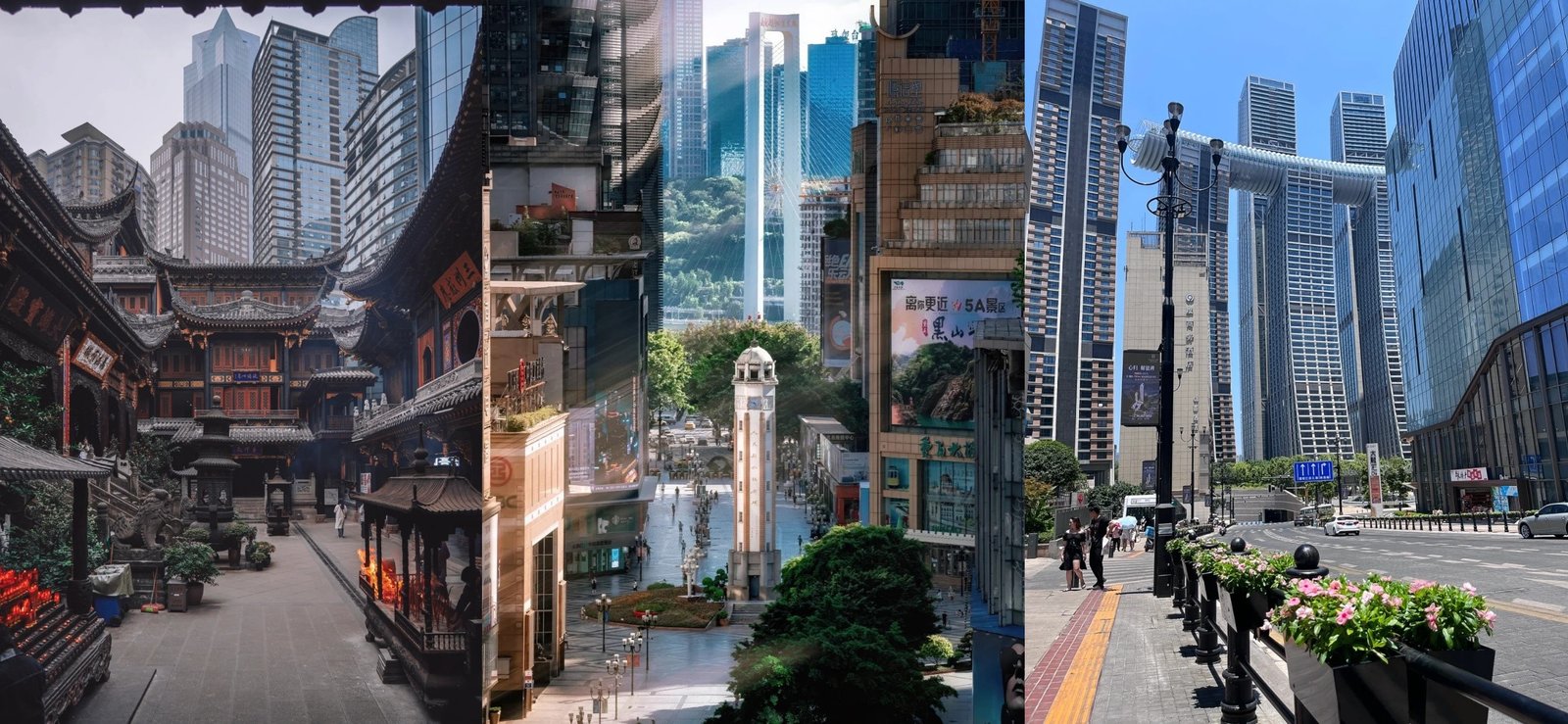
Jiefangbei / Raffles City Chongqing (解放碑 / 重庆来福士)
- Must‑See Attractions: Jiefangbei Pedestrian Street (解放碑步行街); Raffles City Chongqing skybridge/viewing platform (来福士空中连廊/观景台); popular photo spots in the Xinhua Road area (新华路).
- Experiences: Urban street photography; shopping in the commercial district; capturing the urban life of buildings and crowds; nighttime skyline photography.
- Recommended Food: Authentic Chongqing hotpot (重庆火锅); Chuanchuan (串串, pinyin: Chuanchuan — skewers in a hotpot‑style setup); Douhua (豆花, pinyin: Douhua — tofu pudding).
- Why Visit: This is the city center of Chongqing. During the day you can feel the city’s vibrancy; in the evening you can capture the modern skyline of Raffles City and surrounding skyscrapers from a high vantage point, contrasting with the traditional illuminated landscape of Hongyadong.
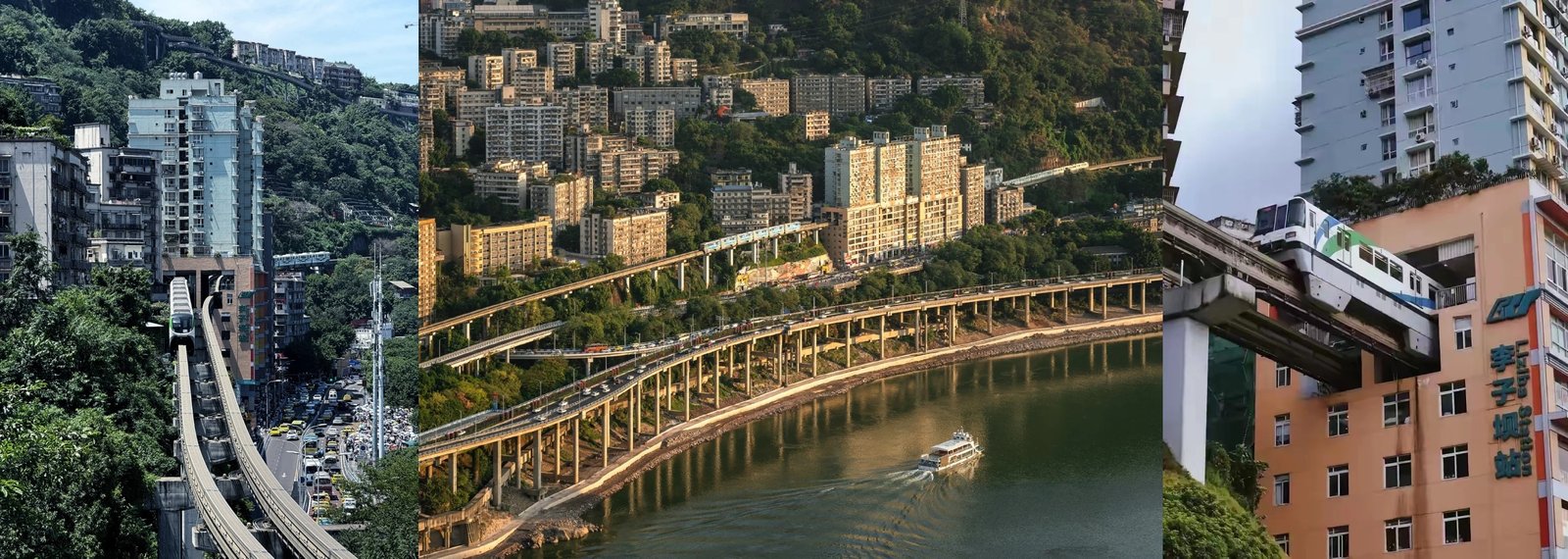
Liziba Monorail / Liziba Light Rail (李子坝单轨 / 李子坝轻轨)
- Must‑See Attractions: The station view of the monorail passing through the building; the street view of the building’s facade and the parallel tracks.
- Experiences: Experience the unique transportation scene of a monorail train passing through a residential building; film dynamic short videos (the moment the train enters/exits the building).
- Recommended Food: Breakfast stalls near the station; Chongqing Xiaomian (重庆小面, pinyin: Xiaomian); doujiang & youtiao (豆浆与油条, pinyin: doujiang & youtiao — soy milk & fried dough sticks).
- Why Visit: This is an extremely unique urban scene, only found in Chongqing: the high degree of intertwining between transportation infrastructure and residential living spaces makes for eye‑catching photos and videos.
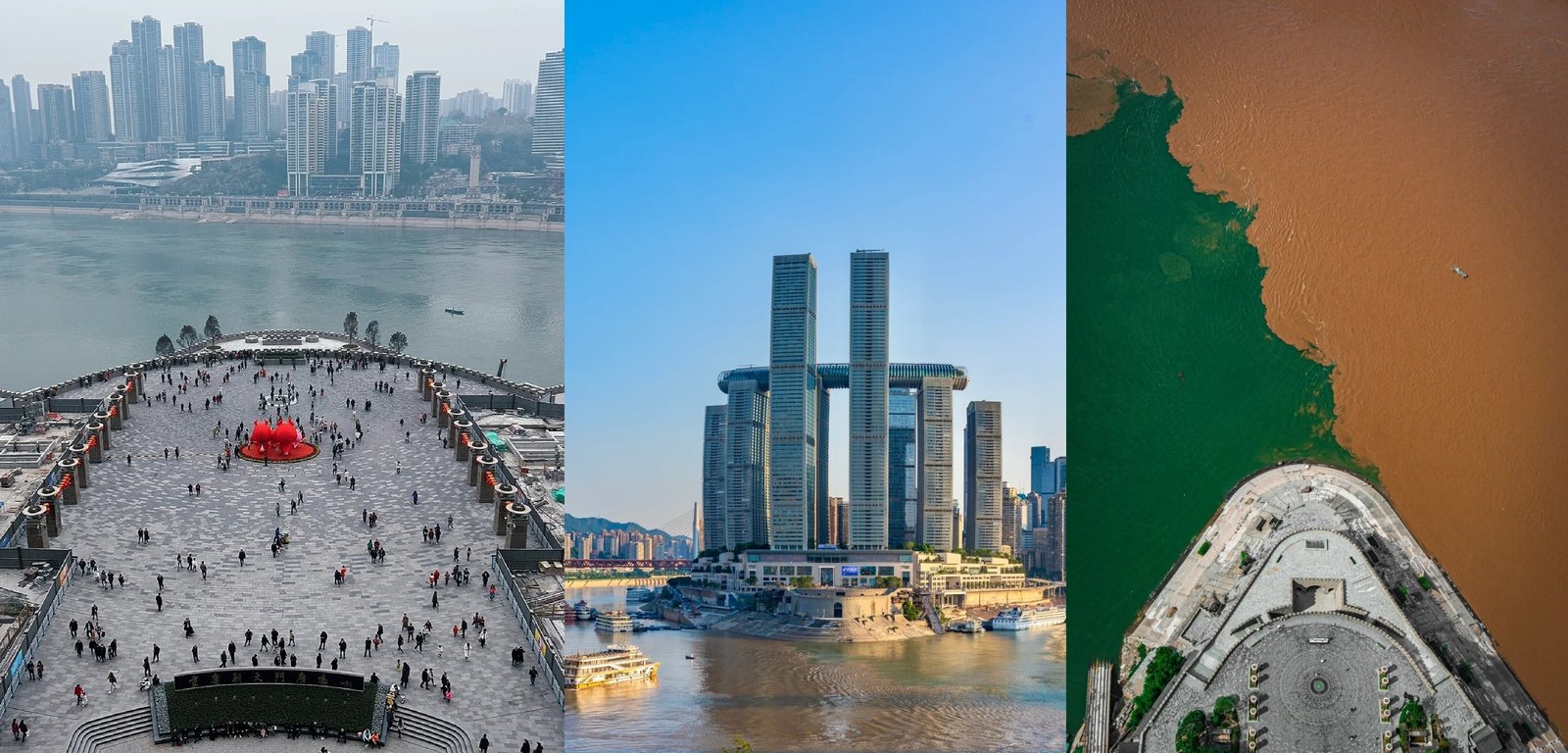
Chaotianmen / Chaotianmen Port & Riverside (朝天门 / 朝天门码头)
- Must‑See Attractions: The riverside area at the confluence of the two rivers; Chaotianmen Port & riverside promenade; fishing boats and reflections at night.
- Experiences: Photography during golden and blue hours from dusk to night; short boat trips on the river; strolling along the riverside; daytime river sightseeing.
- Recommended Food: River seafood from riverside restaurants (seasonal) (江边河鲜); local snack stalls and cafes (本地小吃摊与咖啡馆).
- Why Visit: The confluence of the two rivers offers a broad perspective, allowing you to capture the interaction between the city and the river. Nighttime lights and reflections on the water are excellent for photography.
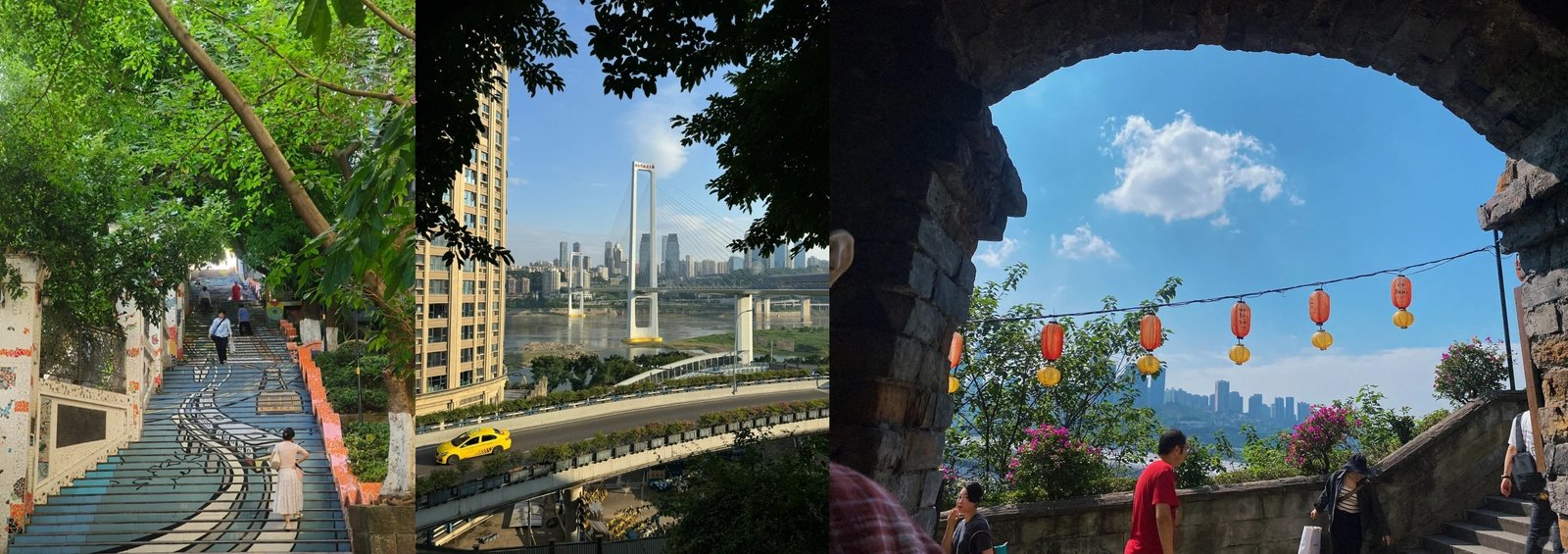
Mountain City Steps / Stepped Streets (山城步道 / 阶梯街区)
- Must‑See Attractions: Typical sloping steps; viewing platforms; balconies showing local life; old building facades.
- Experiences: “Walking” shots on the steps; street photography of residents’ lives; visiting artistic shops and cafes.
- Recommended Food: Alleyway family restaurants; street‑side afternoon tea; local desserts.
- Why Visit: Chongqing’s unique terrain creates a stepped urban landscape. Many compelling shots can only be captured in this hillside city, offering strong sense of layering and depth—ideal for travelers who enjoy exploring urban detail.
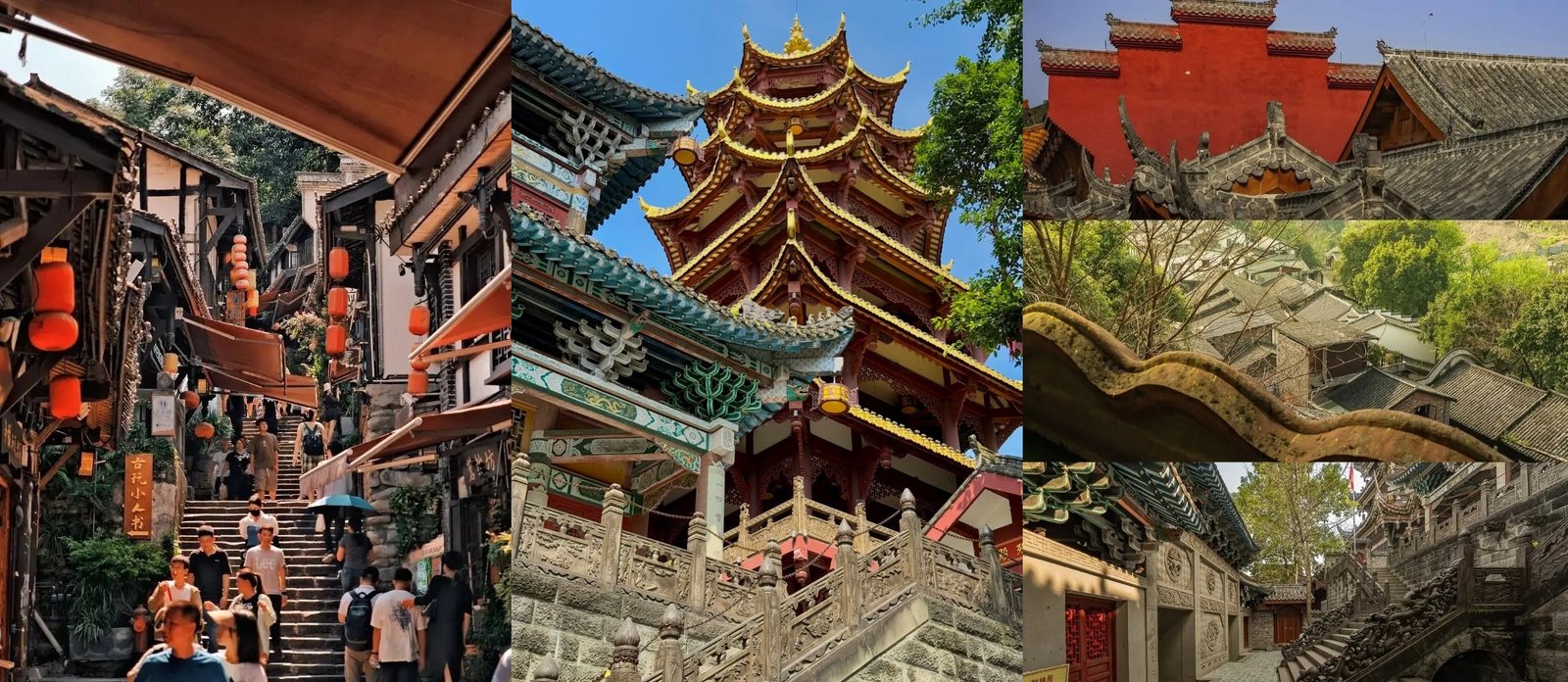
Ciqikou Ancient Town / Ciqikou (磁器口古镇 / 磁器口)
- Must‑See Attractions: Old town streets; small bridges and flowing water; traditional residences and handicraft shops.
- Experiences: Strolling through ancient alleys; sampling traditional snacks; watching handicraft making in old shops; cultural street photography.
- Recommended Food: Suanlafen (酸辣粉, pinyin: Suanlafen — sour & spicy rice noodles); traditional desserts; Douhua (豆花, pinyin: Douhua — tofu pudding).
- Why Visit: Ciqikou retains relatively complete traditional architecture and a lively atmosphere, perfect for capturing ancient‑style cultural photos and experiencing Bayu snack culture.
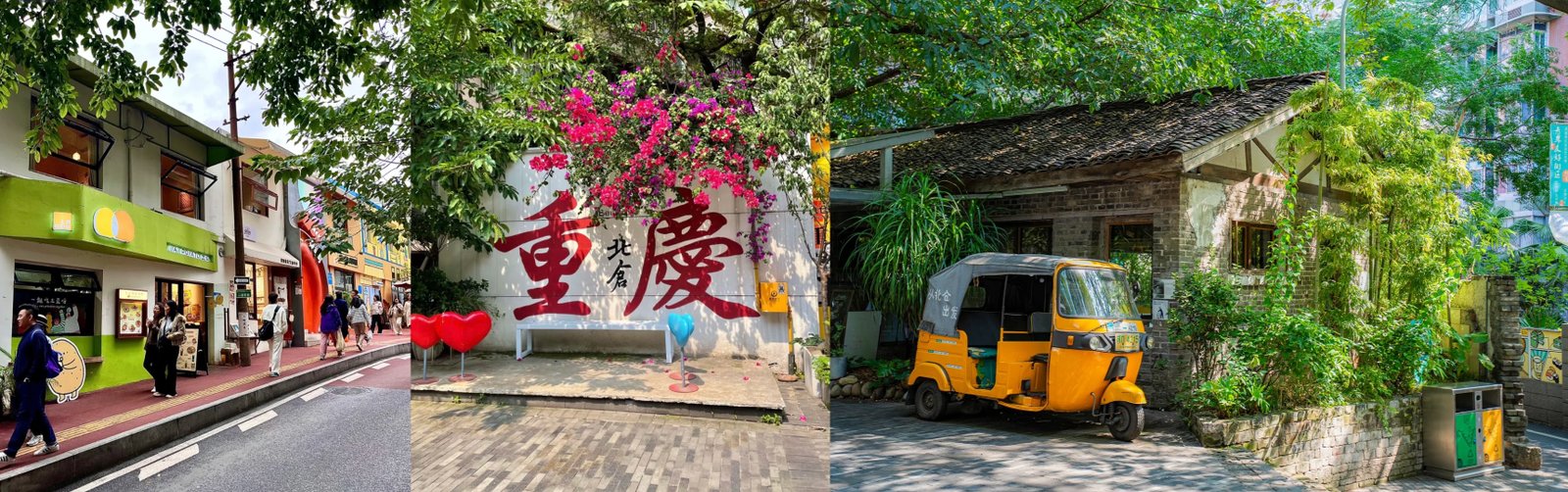
Beicang Creative Park / E’ling No.2 Factory (北仓 / 鹅岭二厂文创园)
- Must‑See Attractions: Renovated factory spaces; graffiti walls; creative markets; terraces.
- Experiences: Industrial‑style portrait photography; browsing independent designer shops; visiting weekend markets and exhibitions.
- Recommended Food: Hand‑drip coffee; independent dessert shops; creative food trucks in the park.
- Why Visit: The creatively renovated industrial park provides many scenes for photography and artistic experiences, suitable for finding a modern artistic atmosphere different from traditional attractions.
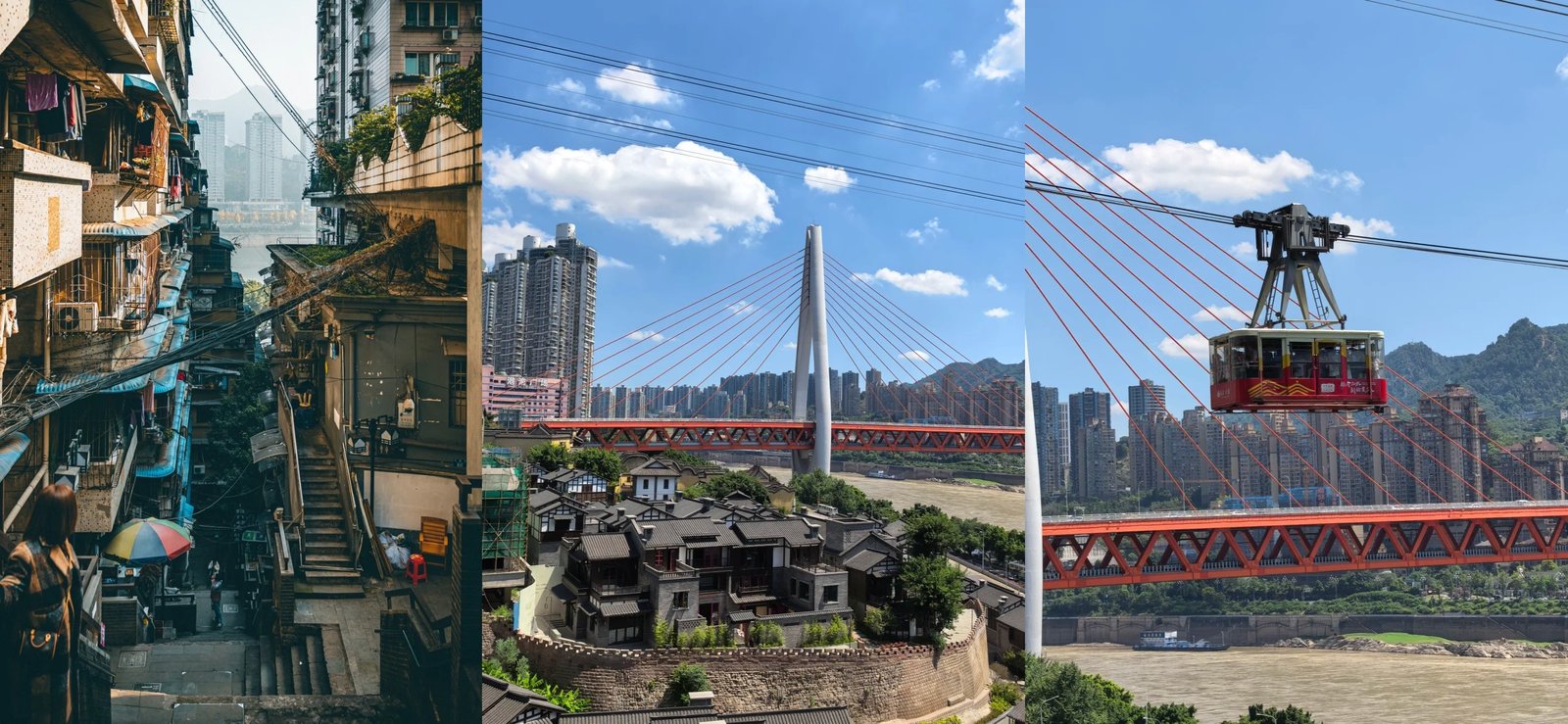
Baixiangju Residential Area / Residential Corridors (白象居 / 老居民区连廊)
- Must‑See Attractions: Connecting corridors between buildings; exterior wall textures; building group perspectives; distant bridge composition points.
- Experiences: Quiet portrait photography in early morning/evening; recreating retro cinematic scenes; in‑depth alley exploration.
- Recommended Food: Community family restaurants; simple meals; roadside snacks.
- Why Visit: Many classic “cinematic” shooting locations are hidden in residential areas, allowing you to capture authentic life and a sense of urban memory—great for photography enthusiasts seeking unique scenes.
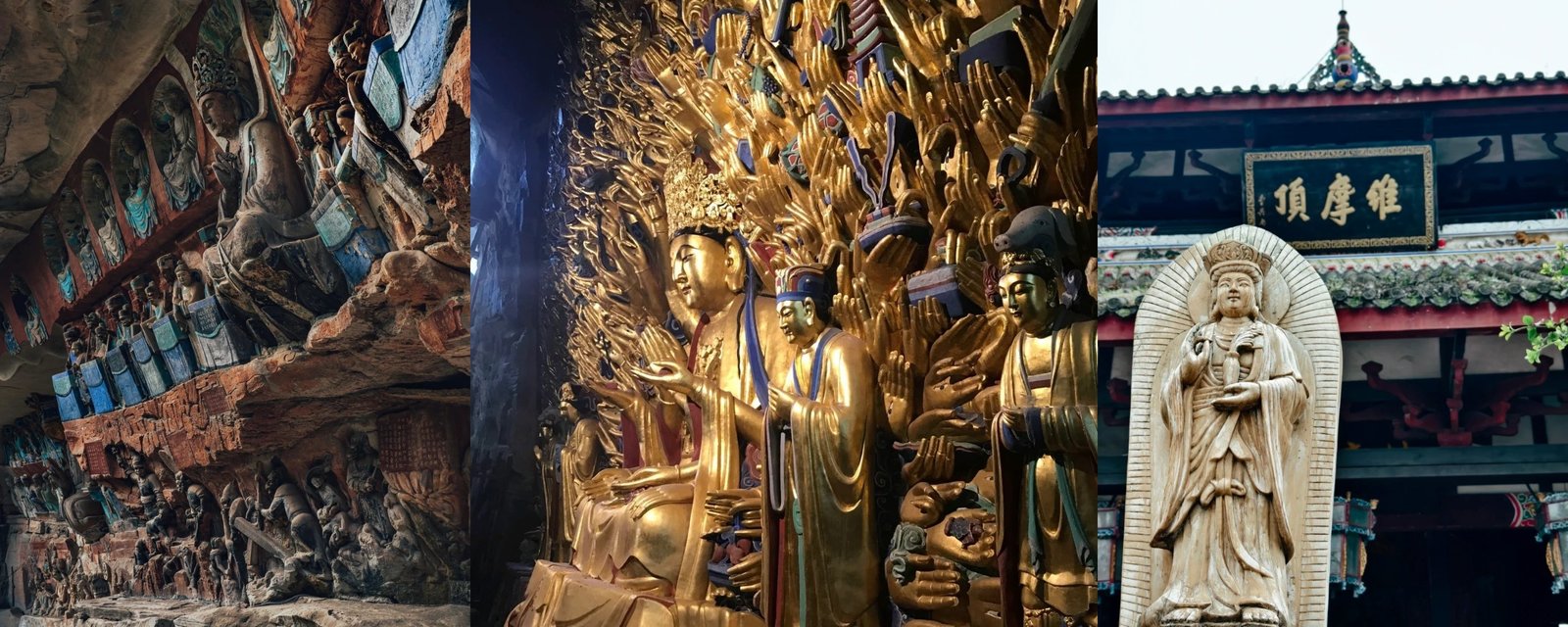
Dazu Rock Carvings / Dazu Stone Carvings (大足石刻)
- Must‑See Attractions: Exquisite Buddhist sculpture groups; caves; detailed stone carvings.
- Experiences: Cultural heritage tours; close observation and photography of carving details; in‑depth historical and artistic experiences.
- Recommended Food: Local farm‑style dishes; Sichuan/Chongqing‑style side dishes (景区附近餐馆选择).
- Why Visit: The World Heritage‑listed rock carvings offer a cultural and historical side of Chongqing, ideal for visitors who appreciate art and history; typically requires a half‑day to full‑day trip.
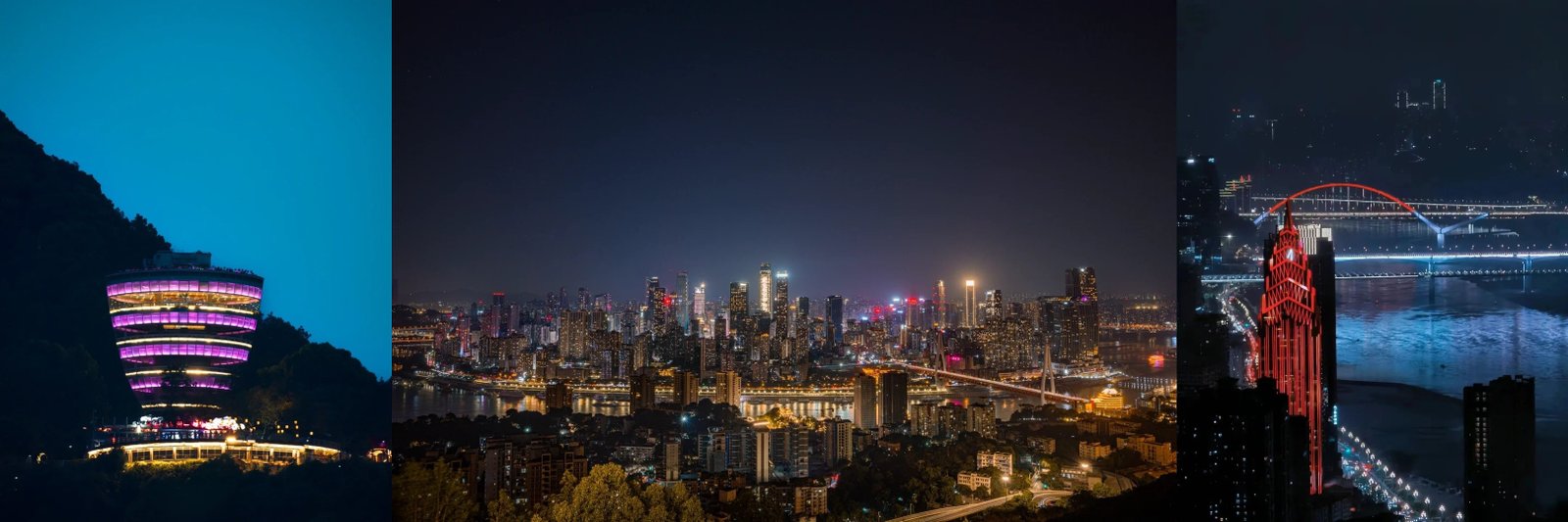
Viewpoints & Cable Cars (观景台与缆车路线)
- Must‑See Attractions: Nanshan “Yikeshu” / One Tree Viewpoint (南山一棵树观景台); high points in the Guanyinqiao / Guanyin Bridge commercial area (观音桥商圈); views of the Yangtze/Jialing River bridges; cable car routes.
- Experiences: Overlooking the city from a cable car; 360° panoramic photography from viewing platforms; capturing dusk‑to‑night transitions.
- Recommended Food: Teahouses; light meals; scenic cafes around viewing platforms.
- Why Visit: Shooting from high vantage points allows capturing the undulations of the mountain city and both rivers in one frame—perfect for panoramic and day‑to‑night contrast photography.
Chongqing is a city that can surprise photographers and travelers at any time: from lights along the river to daily life details in old alleys, from the spectacle of a monorail passing through buildings to cultural heritage sites in the suburbs, every corner has a story and a scene to capture. We hope this formatted list of 10 attractions helps you quickly grasp Chongqing’s multifaceted character: it offers both iconic landmarks and neighborhoods suitable for slow travel, photography, and in‑depth experiences. Before you go, remember to learn the common Chinese place names and their pronunciations, bring suitable photographic equipment and comfortable shoes, and respect local residents’ living spaces. You’ll find your own picture‑perfect moments on the slopes and riversides of this mountain city.